
Mastering Your Fate and Soul: Timothée Chalamet's Creative Philosophy and Its Impact on My Art Journey


When I first heard Timothée Chalamet speak about being the master of your fate and the captain of your soul, it struck a deep chord within me. This idea, originally from the poem Invictus by William Ernest Henley, captures a powerful truth about creativity and artistic expression. It's not just about fate or destiny in a broad sense. It's about owning your inner world, your choices, and your creative voice. For me, this philosophy has become a guiding light in my journey as an artist.
The Origin of the Quote and Its Meaning Chalamet
Chalamet's original contribution was weaving two distinct philosophical ideas together. By taking William Ernest Henley's 1875 poem Invictus ("master of my fate... captain of my soul") and pairing it with modern manifestation psychology ("life coming from you"). Henley wrote it while recovering from a serious illness, expressing resilience and self-determination despite hardship. Timothée Chalamet has referenced this quote to describe his approach to creativity and life. He emphasises that no matter the external circumstances, the artist-mind has the power to steer its own course.
This perspective challenges the idea that creativity is something that happens to you or is dictated by outside forces. Instead, it places responsibility and freedom in the hands of the individual. The artist is not a passive receiver but an active creator of their path.
How This Philosophy Shapes My Artistic Expression
When I sit down to draw or paint, I often face moments of doubt or distraction. The world outside can feel overwhelming, and it's easy to lose focus or second-guess my work. But remembering Chalamet's interpretation of Henley's words reminds me that I hold the reins. My artistic expression is mine to shape, no matter what.
This mindset encourages me to:
Trust my instincts rather than conforming to trends or external expectations.
Embrace mistakes as part of the creative process, not as failures.
Explore deeply personal themes, knowing my unique perspective is valuable.
Set clear intentions for each piece, guiding my creativity with purpose.
By mastering my fate in art, I find a stronger connection to my work. It becomes less about producing something perfect and more about expressing what lives inside me.
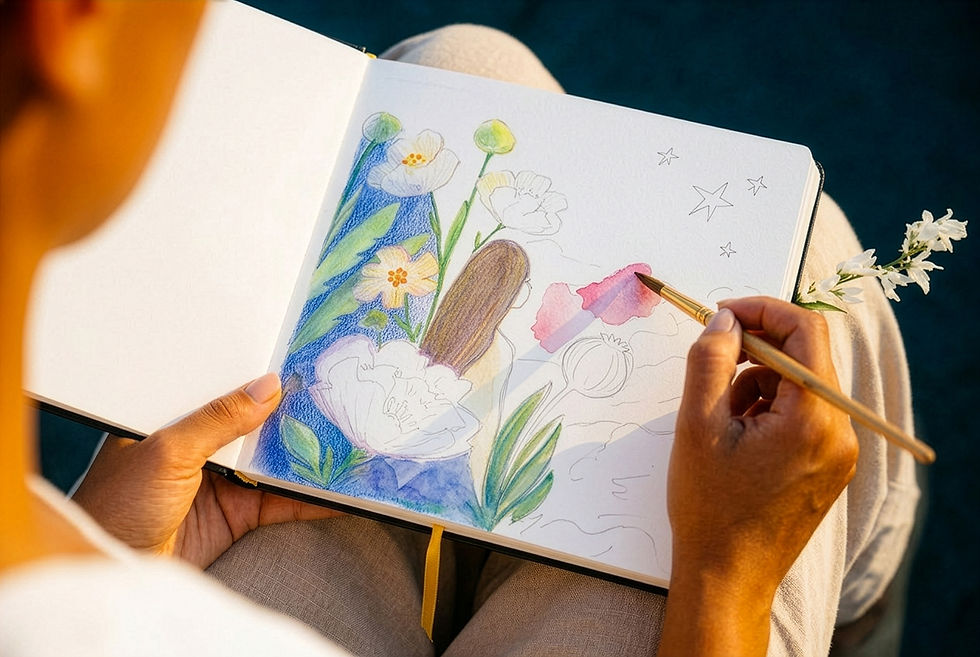
Creating Art From Within: Personal Insights
Artistic expression thrives when it comes from a place of honesty and self-awareness. For me, this means tuning into my emotions, memories, and thoughts before I even pick up a brush or pencil. I've learned that the artist-mind is most alive when it's connected to the inner self rather than distracted by outside noise.
Some practices that help me create from within include:
Journaling before starting a piece to clarify my feelings and ideas.
Listening to music or sounds that evoke the mood I want to capture.
Allowing time for reflection after each session to understand what the art reveals about me.
Avoiding comparisons with others' work to maintain authenticity.
This approach has made my creative process more fulfilling and less about impressing others and more about exploring my own soul. The result is art that feels genuine and meaningful.
How This Mindset Can Inspire Others
The idea of being the master of your fate and captain of your soul is not limited to famous actors or professional artists. It's a mindset anyone can adopt to fuel their creativity and personal growth. Here are a few ways this philosophy can inspire others on their creative journeys:
Empowerment: Knowing you control your creative path reduces fear and hesitation.
Resilience: When faced with setbacks, this mindset encourages persistence and learning.
Originality: It invites you to trust your unique voice instead of copying others.
Joy in process: Focusing on self-expression rather than external approval makes creating more enjoyable.
For example, a friend of mine who writes poetry found new confidence after embracing this idea. She stopped worrying about publishing or popularity and started writing purely for herself. Her work became richer and more authentic, and eventually, others noticed the difference too.

Embracing the Artist-Mind Every Day
Living with this creative philosophy means nurturing the artist-mind daily. It's about making choices that support your growth and expression, such as:
Setting aside regular time for creative practice.
Surround yourself with inspiration that resonates personally.
Being patient with your progress and open to change.
Celebrating small victories and breakthroughs.
This ongoing commitment transforms creativity from a hobby or task into a vital part of your identity. It's a way to navigate life with intention and passion.
Mastering your fate and soul is a powerful call to take ownership of your creative life. Timothée Chalamet's embrace of this philosophy reminds me that artistic expression is not just about talent or luck. It's about courage, self-trust, and the willingness to explore your inner world. When I create from this place, my art becomes a true reflection of who I am. I encourage you to take the helm of your own creative journey and discover the freedom that comes with being the captain of your soul.

Comments